
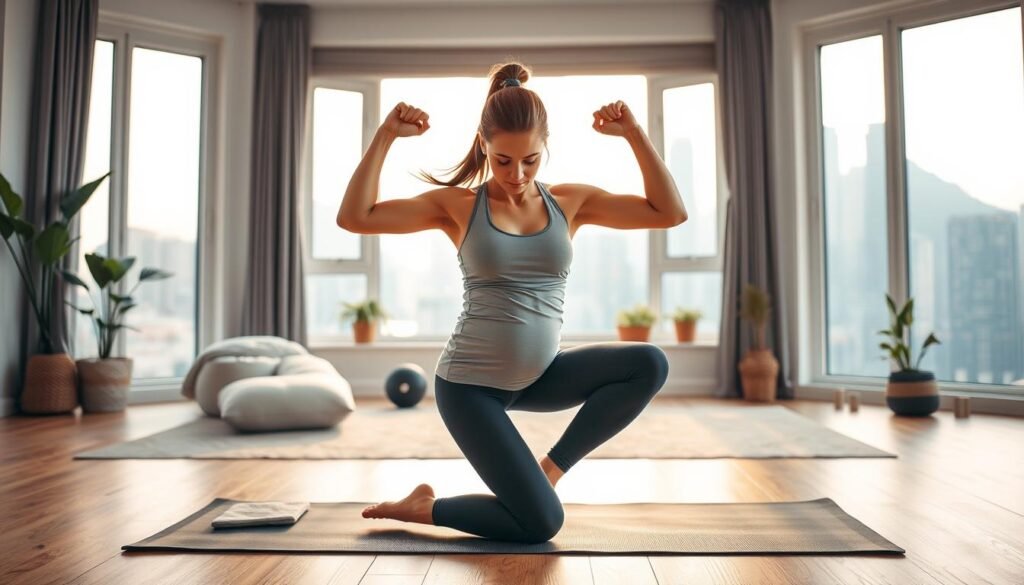
Imagine the moment you first hold your baby. It’s a mix of joy and overwhelming responsibility. As a new mom in Hong Kong, you may find yourself adjusting to many changes, including how your body feels after childbirth. This is where postnatal recovery exercise comes into play. Embracing a postpartum fitness routine is essential for restoring your strength and confidence. Engaging in postnatal recovery exercise helps you focus on post-pregnancy core strengthening and pelvic floor recovery, allowing you to regain control of your body.
Safe exercises after childbirth are not just about getting back in shape. They are about nurturing your body and mind. By following a structured new mom workout plan, you can address common postpartum issues like diastasis recti. Understanding the importance of postnatal recovery exercise is the first step toward a healthier you. With the right guidance, you can transition smoothly into your fitness journey, ensuring you progress safely and effectively.
Key Takeaways
- Postnatal recovery exercise is vital for new moms.
- A structured postpartum fitness routine aids in recovery.
- Focus on post-pregnancy core strengthening for better stability.
- Pelvic floor recovery is essential for overall health.
- Safe exercises after childbirth can prevent common issues.
- Listening to your body is crucial during recovery.
What is Postnatal Recovery Exercise and Why is it Important for Mothers in Hong Kong?
Postnatal Recovery Exercise refers to a series of physical activities designed specifically for new mothers. This type of exercise is crucial for mothers in Hong Kong as it supports their physical and emotional well-being after childbirth. Engaging in a postpartum fitness routine helps restore strength, improve mood, and enhance overall health.
Understanding the Benefits of Postnatal Recovery Exercise
Participating in postnatal recovery exercise offers numerous benefits, including:
- Improved pelvic floor recovery
- Enhanced core strength
- Support for postpartum weight loss
- Reduction of diastasis recti symptoms
- Boosted energy levels and mood
Key Components of Postnatal Recovery Exercise
To create an effective new mom workout plan, focus on these key components:
- Gentle stretching and mobility exercises
- Diastasis recti exercises to strengthen the abdominal muscles
- Pelvic floor exercises to improve bladder control
- Gradual strengthening of major muscle groups
How to Start Your Postnatal Recovery Exercise Journey
Starting your postnatal recovery exercise journey can feel overwhelming. Follow these steps to ensure a safe initiation:
- Consult with your healthcare provider before starting any exercise program.
- Begin with light activities, such as walking or gentle stretching.
- Gradually increase intensity as your body adjusts.
- Incorporate diastasis recti exercises to strengthen your core.
By embracing a structured postpartum fitness routine, you can effectively navigate the challenges of motherhood while restoring your body with confidence.
How Can You Safely Progress Your Postnatal Recovery Exercise?
Progressing your Postnatal Recovery Exercise requires a clear understanding of the phases involved. Each phase plays a vital role in your overall recovery and helps you regain strength safely. You will learn to incorporate pelvic floor recovery exercises and postpartum weight loss exercises into your mommy fitness recovery plan. This structured approach ensures you build endurance while minimizing injury risks.
Understanding the Phases of Postnatal Recovery Exercise
The recovery process typically consists of three main phases:
- Immediate Postpartum Phase: Focus on gentle movements and pelvic floor recovery exercises. Activities like walking and light stretching are beneficial.
- Rehabilitation Phase: Gradually introduce postpartum weight loss exercises. This phase includes strength training and core stability workouts.
- Strengthening Phase: Engage in more intense mommy fitness recovery routines. You can start higher-impact activities like jogging or aerobics, but only when your body is ready.
Importance of Listening to Your Body During Postnatal Recovery Exercise
Listening to your body is crucial during this journey. Recognizing your limits can prevent setbacks. Pay attention to the following signs:
- Persistent pain or discomfort
- Excessive fatigue
- Any unusual bleeding or discharge
Always consult with a healthcare professional if you notice any of these symptoms. Adjust your exercise intensity based on how you feel. This mindful approach supports your pelvic floor recovery and enhances your overall fitness.
| Phase | Focus | Recommended Activities |
|---|---|---|
| Immediate Postpartum | Gentle Movements | Walking, Stretching |
| Rehabilitation | Strength Training | Core Exercises, Light Weights |
| Strengthening | Higher-Impact Activities | Jogging, Aerobics |
When is the Right Time to Transition to High-Impact Running After Postnatal Recovery Exercise?
Transitioning to high-impact running after your Postnatal Recovery Exercise is an exciting milestone. Knowing when to make this shift is crucial for your safety and well-being. This decision should be based on your body’s readiness, particularly focusing on pelvic floor recovery and overall postpartum body restoration.
Before you start high-intensity activities, consider the following readiness indicators:
Recognizing Readiness for High-Intensity Activities
- At least three months have passed since childbirth.
- You experience no pain during or after safe exercises after childbirth.
- Your pelvic floor muscles function well and are under control.
- You have regained sufficient core strength to support your body during running.
Signs You Are Prepared for High-Impact Running
As you assess your readiness, look for these signs:
- No leaking or heaviness in the pelvic area.
- Ability to perform basic strength exercises without discomfort.
- Confidence in your body’s stability and balance.
It is essential to listen to your body throughout this process. Pay attention to any signals indicating you may need more time for recovery. Engaging in high-impact running too soon can lead to setbacks in your postpartum body restoration.
| Readiness Indicator | Importance |
|---|---|
| Time Postpartum | Allows for adequate healing and recovery. |
| Pain-Free Movement | Ensures your body can handle increased intensity. |
| Pelvic Floor Control | Critical for preventing injury and ensuring stability. |
| Core Strength | Supports your posture and reduces strain while running. |
Where Can You Find Resources for Postnatal Recovery Exercise in Hong Kong?
Finding the right resources for your Postnatal Recovery Exercise journey is crucial. In Hong Kong, you have access to various local classes and support groups that focus on postpartum fitness routines. These classes often provide specialized guidance from trained professionals, ensuring that you engage in safe and effective mommy fitness recovery. Connecting with others who share similar experiences can also enhance your motivation and commitment.
Local Classes and Support Groups for Postnatal Recovery Exercise
Look for local fitness studios and community centers that offer classes tailored to new mothers. Many of these programs focus on pelvic health and recovery, addressing the unique needs of postpartum women. Joining support groups can also provide you with valuable insights and encouragement from fellow mothers. This community aspect can be incredibly beneficial as you navigate your recovery.
Online Platforms Offering Guidance for Postnatal Recovery Exercise
If you prefer online guidance, several reputable platforms offer resources for Postnatal Recovery Exercise. Websites and apps provide access to expert-led videos and workout plans specifically designed for postpartum fitness routines. These online resources can help you stay informed and motivated, allowing you to manage your mommy fitness recovery from the comfort of your home.